

Tag: Biological practical
-
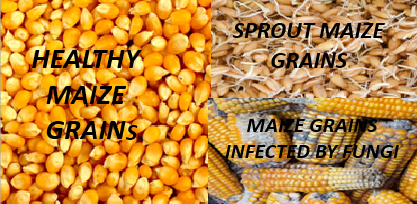
THE MAIZE GRAIN AS A BIOLOGICAL SPECIMEN.
THE MAIZE GRAIN AS A BIOLOGICAL SPECIMEN. Maize grain is not a seed, but rather a fruit. It is referred to as a fruit because its outer wall is formed from the fusion of the testa and the fruit wall. Maize grain is monocotyledonous and endospermous. Type of fruit Caryopsis Reasons A one-seeded fruit in…
-
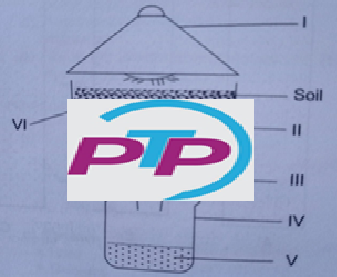
Study carefully the diagram below and use it to answer questions (a) to (i).
Study carefully the diagram below and use it to answer questions (a) to (i). a) Provide a suitable title for the setup. ANSWER: Determination of the presence of soil invertebrates in the soil. b) Name the parts labelled I to V ANSWER: I: bulb cover/metal reflector II: smooth-sided funnel III: stem of the funnel IV:…
-
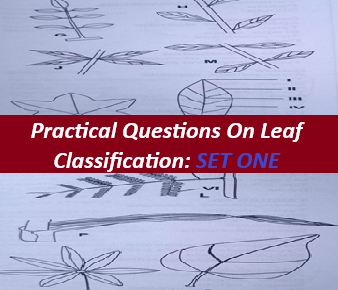
Study the Diagrams Below and use them to Answer the Questions That Follow “a to i”.
Study the Diagrams Below and use them to Answer the Questions That Follow “a to i”. a) Identify the leaf arrangements in diagrams H, J, and M. Answer: Specimen H: Alternate Specimen J: Whorled Specimen M: Opposite/Decussate b) Give one example each of plants that have the leaf arrangements in H, J, and M. Answer:…
-
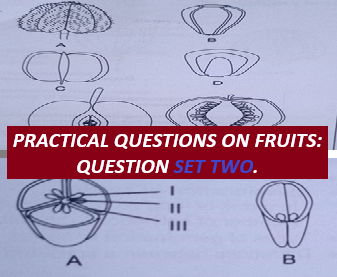
PRACTICAL QUESTIONS ON FRUITS: QUESTION SET TWO.
PRACTICAL QUESTIONS ON FRUITS: QUESTION SET TWO. a) Identify the specimens above. Answer: A: Castor oil fruit B: Sunflower fruit C: Combretum fruit D: Maize grain/fruit E: Apple fruit (LS) F: Tomato fruit (LS) b) Classify the specimen Answer: A. Castor oil: …
-

PRACTICAL QUESTIONS ON FRUITS: QUESTIONS SET ONE.
PRACTICAL QUESTIONS ON FRUITS: QUESTIONS SET ONE. SPECIMENS PROVIDED. Cowpea Mango Tomato Orange White pepper Okro a) Name the placentation Answer: Cowpea: Marginal Placentation Tomato: Axile Placentation Orange: Axile Placentation Okro: Axile Placentation b) State the Symmetry of all the Specimens. Answer: Cowpea: bilateral Symmetry Mango: bilateral Symmetry Tomato: radial Symmetry…
-
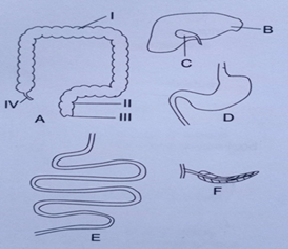
Practical Question: Organs of the Human Digestive System.
Practical Question: Organs of the Human Digestive System. The diagrams below are illustrations of organs of a biological system in humans. Study it carefully and answer the questions that follow. a) Name the biological system Name the organs labelled A to F Name the parts labelled I to IV b) State two observable differences between…
-
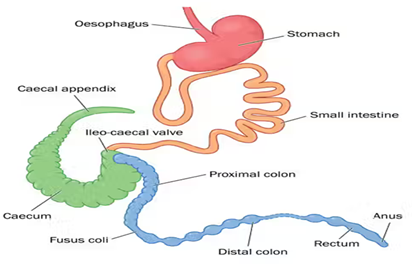
The Digestive System of a Small Herbivorous Mammal
The Digestive System of a Small Herbivorous Mammal. FUNCTIONS OF THE PARTS Oesophagus: Passage of chewed food into the stomach Stomach: Storage and churning of food Liver: Secretion of Bile Duodenum: Digestion of food Pancreas: Secretion of pancreatic juice containing pancreatic enzymes Ileum: Digestion and absorption of food Caecum: Digestion of…
-
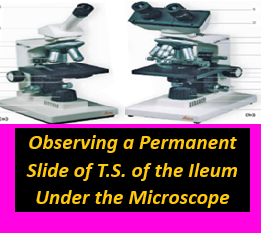
Observing a Permanent Slide of T.S. of the Ileum Under the Microscope
Observing a Permanent Slide of T.S. of the Ileum Under the Microscope. Adaptations of the Small Intestine Presence of villi provides a large surface area for the absorption of food Great length provides a large surface area for absorption of food. Each villus has a wall one cell thick for easy diffusion Villi are rich…
-
THE GALL BLADDER OF A YOUNG MAMMAL
THE GALL BLADDER OF A YOUNG MAMMAL. Part of the body it is found: Attached to the liver in the abdominal cavity Organ associated with: Liver Relationship between the liver and the gall bladder The liver secretes bile, which is stored and released into the duodenum by the gall bladder Function common to both the…
-
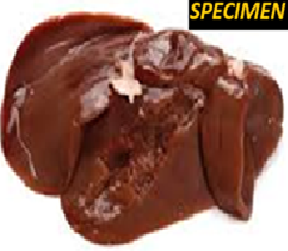
THE LIVER OF A YOUNG MAMMAL
THE LIVER OF A YOUNG MAMMAL. Part of the body it is located the abdominal cavity. Attached to the duodenum Describe the liver Reddish brown Soft but firm to the touch Made up of lobes (four lobes) One of the lobes contains the gall bladder The role of the liver in digestion Secretes bile Which…
-
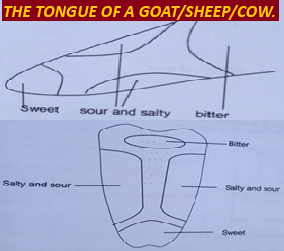
THE TONGUE OF A GOAT/SHEEP/COW.
THE TONGUE OF A GOAT/SHEEP/COW. Part of the body it is located Mouth/buccal cavity Describe the tongue Pink in colour Long and narrow Soft and flexible The upper surface is rough due to the presence of projections called papillae Name the organ systems in which the tongue is found. The digestive system Nervous system/Irritability/sense organ…
-
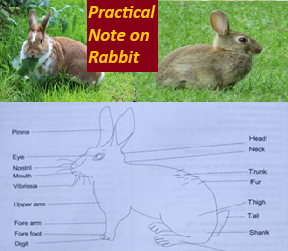
RABBIT (ORYCTOLAGUS CUNICULUS).
RABBIT (ORYCTOLAGUS CUNICULUS). Habitat: home Mode of reproduction: sexual/viviparous/internal fertilisation, with parental care Mode of nutrition: holozoic Method of feeding: herbivorous (on cassava, Tridax and sweet potato leaves) The diet is vegetation/grass, and the position in the food chain is a primary consumer Adaptations to the herbivorous mode of feeding Sharp incisors for cutting grass…
-
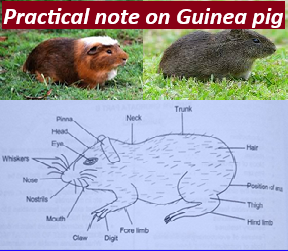
GUINEA PIG (CAVIA PORCELLUS).
GUINEA PIG (CAVIA PORCELLUS). Habitat of the specimen: Home Mode of reproduction: sexual/viviparous/internal fertilisation, with parental care Mode of nutrition: holozoic Method of feeding: herbivorous (on cassava, Tridax and sweet potato leaves) Diet: vegetation/grass Position in the food chain: primary consumer Trophic level: second trophic level Adaptations to the herbivorous mode of feeding Sharp incisors…
-
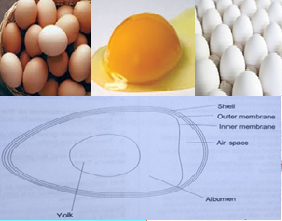
THE EGG OF GALLUS GALLUS DOMESTICUS (DOMESTIC FOWL)
THE EGG OF GALLUS GALLUS DOMESTICUS (DOMESTIC FOWL). Habitat: coop Classify the egg/or type of egg. Cleidoic egg (Egg covered with a calcareous shell) Mode of reproduction of the organism that produces the egg Sexual with oviparity. Internal fertilization What is the ecological significance of a cleidoic egg? It is capable of full development on…
-
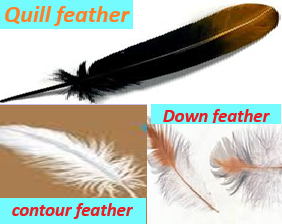
FEATHERS OF GALLUS GALLUS DOMESTICUS (DOMESTIC FOWL)
FEATHERS OF GALLUS GALLUS DOMESTICUS (DOMESTIC FOWL). Importance of feathers to the bird Courtship/ display, especially in males Warmth Flight Camouflage (dull, especially in females when sitting on eggs) Economic importance of feathers Feathers are used for decoration Feathers are used for pillows Feathers for religious/medicinal purposes. Observable features Barbs Vane Shaft Loose barbs Quill…
-
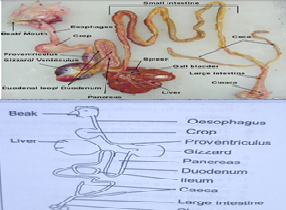
THE DIGESTIVE SYSTEM OF DOMESTIC FOWL (GALLUS GALLUS DOMESTICUS)
THE DIGESTIVE SYSTEM OF DOMESTIC FOWL (GALLUS GALLUS DOMESTICUS) Functions of parts Beak picks food Oesophagus swallowing of food from the mouth to the crop Crop stores and softens food Proventriculus secretes digestive enzymes Gizzard grinding or crushing food Duodenum: digestion of fat and protein Pancreas secretion of enzymes Gall bladder stores and releases bile…
-
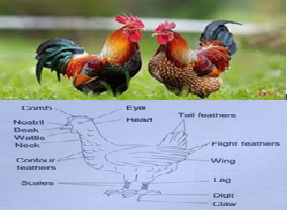
PRACTICAL NOTE ON DOMESTIC FOWL (GALLUS GALLUS DOMESTICUS)
PRACTICAL NOTE ON DOMESTIC FOWL (GALLUS GALLUS DOMESTICUS). Biological Classification Phylum Chordata Reasons: Presence of the Dorsal nerve chord Presence of Pharyngeal cleft Presence of Notochord Class Aves Reasons: Presence of feathers, Presence of wings Presence of horny scales on legs Presence of a horny beak but no teeth Habitat: Hen coop Male: Larger comb…
-
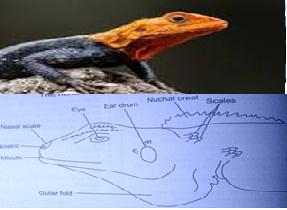
PRACTICAL NOTE ON THE HEAD REGION OF THE MALE AGAMA LIZARD
PRACTICAL NOTE ON THE HEAD REGION OF THE MALE AGAMA LIZARD. Observable features in the head of the Agama lizard Terminal mouth Wide mouth A pair of nostrils Bulged/protruding eyes Upper and lower eyelids Nictitating membranes A pair of Oval eardrums A ridge of scales protects the eyes Short neck Nuchal crest (crest of skin)…
-
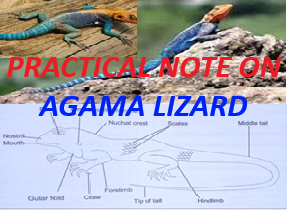
PRACTICAL NOTE ON AGAMA LIZARD
PRACTICAL NOTE ON AGAMA LIZARD. HABITAT Gardens Trees under stones walls ceiling Reasons: Horny scales to reduce desiccation on land Two pairs of limbs to support the body and for movement on land Clawed digits to hold on to support or for climbing Mode of reproduction: Sexual with internal fertilisation, oviparity with cleidoic eggs. Parental…
-
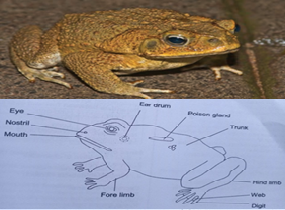
PRACTICAL NOTE ON TOAD (Bufo bufo)
PRACTICAL NOTE ON TOAD (Bufo bufo). Habitat: under stones logs under litter pond hole Reasons for habitat: Streamlined shape for swimming in water. Webbed digits in hind limbs for paddling in water Mode of Reproduction Sexual reproduction with oviparity Type of Fertilisation: External fertilisation Life Cycle: Complete metamorphosis BIOLOGICAL CLASSIFICATION Phylum Chordata Reasons: Presence of…
-
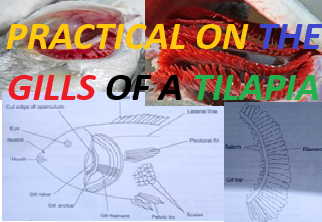
PRACTICAL ON THE GILLS OF A TILAPIA
PRACTICAL ON THE GILLS OF A TILAPIA #01 Cut the specimen transversely along the anterior point of attachment of the pelvic fin and discard the tail end portion. Carefully cut and remove the operculum on one side of the other portion with a sharp knife Make a drawing 8-10cm long of the side of the…
-
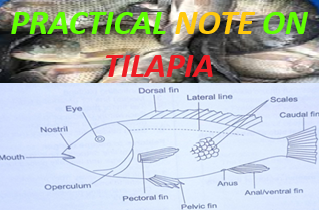
PRACTICAL NOTE ON TILAPIA (BONY FISH)
PRACTICAL NOTE ON TILAPIA (BONY FISH) Habitat: Pond, lake, lagoon streams estuarine Reasons for habitat: Possession of fins Possession of gills Presence of opercula Streamlined body Mode of reproduction: Sexual/oviparous/external fertilization, with parental care Biological Classification of Bony Fish Phylum Chordata Reasons Presence of notochord Presence of a dorsal hollow nerve cord Presence of pharyngeal…
-
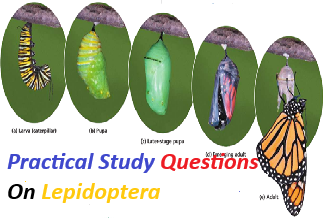
PRACTICAL STUDY QUESTIONS ON LEPIDOPTERA.
PRACTICAL STUDY QUESTIONS ON LEPIDOPTERA. Identify the specimen What is the common name of the specimen? State the Habitat of the specimen What is the Diet of the specimen State the method of feeding in the specimen What is the Position of the specimen in the food chain Name the adult stage of the specimen…
-
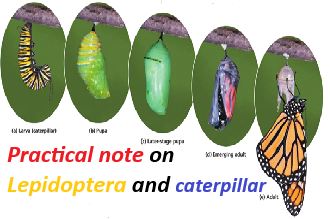
PRACTICAL NOTE ON BUTTERFLY (LEPIDOPTERA) AND CATERPILLAR.
PRACTICAL NOTE ON BUTTERFLY (LEPIDOPTERA) AND CATERPILLAR. BUTTERFLY Habitat of the butterfly; Flower Garden, Vegetation Field Life cycle is Complete metamorphosis Scientific Classification Phylum Arthropoda Reason: Presence of a chitinous exoskeleton Metameric segmentation Presence of jointed appendages attached to each segment. Bilaterally symmetrical Triploblastic coelomate Open circulation (haemocilic) Undergo moulting. Class Insecta Reason: Presence of…
-
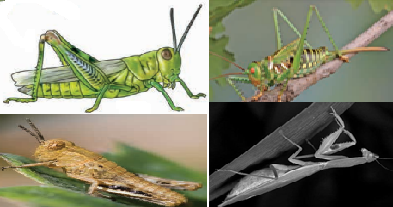
TEST OF PRACTICALS ON GRASSHOPPER AND PRAYING MANTIS.
TEST OF PRACTICALS ON GRASSHOPPER AND PRAYING MANTIS. SPECIMEN: FRESHLY PRESERVED GRASSHOPPER OR LOCUST. The mode of nutrition is holozoic, and the method of feeding is herbivorous. They feed on vegetation and could be either a primary consumer or a second trophic level. Animals that feed on grasshoppers in a food chain are lizards, fowl…
-
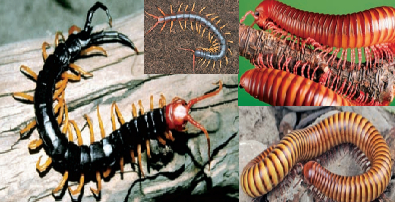
Test of Practical on Millipede and Centipede (Myriapoda).
Test of Practical on Millipede and Centipede (Myriapoda). SPECIMEN: FRESHLY PRESERVED CENTIPEDE IN A PETRI DISH Mode of nutrition is heterotrophic/Holozoic, and method of feeding is carnivorous (on insects, worms and spiders). Because of the presence of a pair of poison claws used to paralyse/capture prey (Insects, worms and spiders). The feature for feeding is…
-
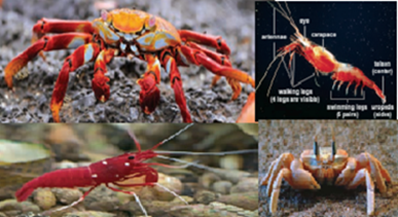
Test Practical on Prawn/Crayfish, Crab, and Woodlouse.
Test Practical on Prawn/Crayfish, Crab, and Woodlouse. SPECIMEN: FRESHLY PRESERVED PRAWN OR CRAYFISH. Habitat: Rivers or Swamps Ponds Lakes Feeding habit Herbivorous and Detritivorous. (feeds on green weeds and dead organic matter) Respiratory structure: Gills Biological classification; Phylum Arthropoda Reasons: Presence of chitinous exoskeleton Metameric segmentation Presence of jointed appendages attached to each segment. Bilaterally…
-
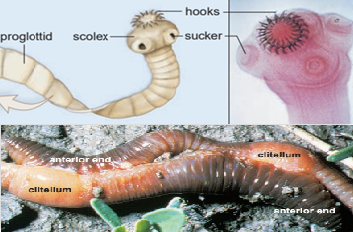
Test of Practical on Worms: Platyhelminthes (Tapeworm), Nematodes, And Annelids (Earthworm).
Test of Practical on Worms: Platyhelminthes (Tapeworm), Nematodes, And Annelids (Earthworm) SPECIMEN: Whole Tapeworm Freshly Preserved Identify Tapeworm Reasons: Presence of Scolex (Small head called scolex) Dorsoventrally flattened body Long tape-like body (ribbon-like body) Presence of progttides. Observable features of Tapeworm Scolex Four suckers Double row of hooks Dorsoventrally flattened body Long tape-like body Observable…
-
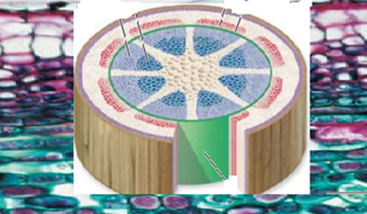
Test of Practical on Stem Anatomy of Dicotyledoneae and Monocotyledoneae Plants.
Test of Practical on Stem Anatomy of Dicotyledoneae and Monocotyledoneae Plants. Specimen of Study. TS of a permanent slide of a dicot stem, such as a Sida acuta TS of a temporary slide of the stem of Tridax mounted in water or dilute glycerin under the microscope TS of Tridax mounted in iodine solution or…
-
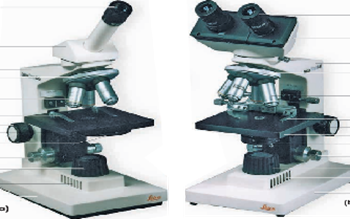
Steps to Prepare a Temporary Slide of a Sectioned Root or Stem.
Steps to Prepare a Temporary Slide of a Sectioned Root or Stem. A temporary slide is a microscope slide prepared with wet ingredients such as blood, pond water and distilled water. Preparing a temporary slide allows the observer to view any microscopic organisms present in the slide while they are still alive. The organisms will…
Search the Archives
Latest News

















You May Have Missed