

Category: GALMEEK NOTES AND QUIZ
-
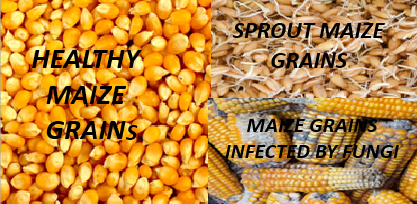
THE MAIZE GRAIN AS A BIOLOGICAL SPECIMEN.
THE MAIZE GRAIN AS A BIOLOGICAL SPECIMEN. Maize grain is not a seed, but rather a fruit. It is referred to as a fruit because its outer wall is formed from the fusion of the testa and the fruit wall. Maize grain is monocotyledonous and endospermous. Type of fruit Caryopsis Reasons A one-seeded fruit in…
-

NSMQ 2023 CHEMISTRY PAST QUESTIONS AND ANSWERS.
NSMQ 2023 CHEMISTRY PAST QUESTIONS AND ANSWERS. What is the most likely mode of decay for each of the following nuclides? 1. Carbon – 15 Ans: Beta decay 2. Uranium – 238 (atomic number 92) Ans: alpha decay 3. Nitrogen – 12 Ans: positron emission (or electron capture) 100.0 g of an inorganic compound is…
-
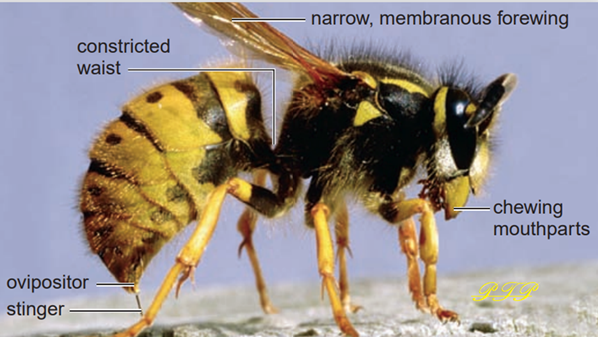
Life Process of Apis mellifera (Honey Bee)
Life Process of Apis mellifera (Honey Bee) Honey bee like all other insects has three main parts, thus the head, thorax, and abdomen. Bees are social insects that live in a hive or comb. The hive is made up of small hexagonal compartments called cells. The cells are cemented together into a mass called the…
-

GES Aptitude Test 2025, Mental Health and Psychological Well-being of Teachers
GES Aptitude Test 2025, Trial Quiz on Mental Health and Psychological Well-being of Teachers. Mental Health and Psychological Well-being of Teachers Mental Health refers to a person’s emotional, psychological, and social well-being. Psychological Well-being involves positive self-perception, a sense of purpose in life, autonomy, positive relationships, and personal growth. Teachers’ mental health affects not just…
-

PRACTICAL QUESTIONS ON FRUITS: QUESTIONS SET ONE.
PRACTICAL QUESTIONS ON FRUITS: QUESTIONS SET ONE. SPECIMENS PROVIDED. Cowpea Mango Tomato Orange White pepper Okro a) Name the placentation Answer: Cowpea: Marginal Placentation Tomato: Axile Placentation Orange: Axile Placentation Okro: Axile Placentation b) State the Symmetry of all the Specimens. Answer: Cowpea: bilateral Symmetry Mango: bilateral Symmetry Tomato: radial Symmetry…
-
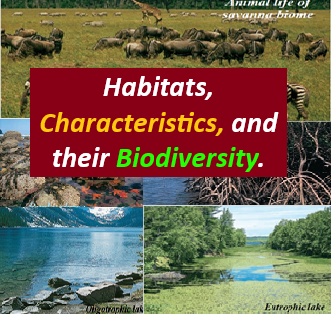
Habitats, Characteristics, and their Biodiversity.
Habitats, Characteristics, and their Biodiversity. TAKE THIS QUIZ AFTER READING THE NOTE. What is a habitat? A habitat is a particular place where a species lives and reproduces is its habitat. The habitat might be the forest floor, a swift stream, or the ocean’s edge. An ecological niche is the function a species has in…
-
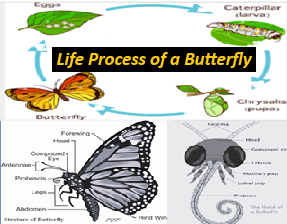
Life Process of a Butterfly (Citrous swallowtail butterfly).
Life Process of a Butterfly (Citrous swallowtail butterfly). Biological classification Phylum Arthropoda. Reasons: Undergo moulting or ecdysis. They are haemocilic (have open circulation). Bilaterally symmetrical. Possess metameric segmentation. Butterflies have a chitinous exoskeleton. Presence of jointed appendages attached to each segment. They are also triploblastic coelomates. Class Insecta: Reason: Possess a pair of compound eyes.…
-
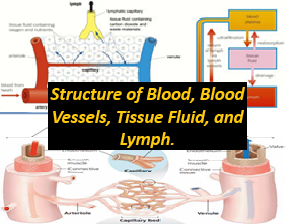
Structure of Blood, Blood Vessels, Tissue Fluid, and Lymph.
Structure of Blood, Blood Vessels, Tissue Fluid, and Lymph. Introduction: It is estimated that if all the blood vessels of an average adult human were laid end to end, they would stretch to 100000 miles which is the equivalent of about four times around the circumference of the Earth. There are several different types of…
-
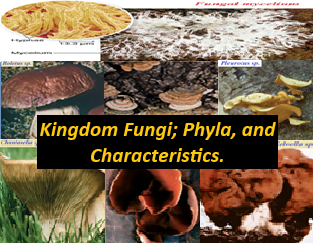
Kingdom Fungi; Phyla, and Characteristics.
Kingdom Fungi; Phyla and Characteristics Introduction About 250,000 species of fungi are currently extant on Earth. All fungi are heterotrophs; they absorb nutrients through their cell walls and cell membranes. Fungi decompose organic material, helping to recycle nutrients essential for plant growth. Except for the unicellular yeasts, fungi consist of elongated filaments called hyphae. Hyphae…
-
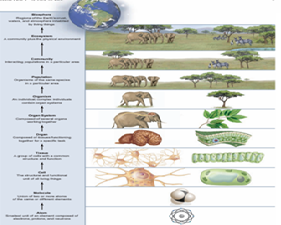
Ecological concept, Ecological factors, their effects on the ecosystem, and instrument use in measuring them.
Ecological concept, Ecological factors, their effects on the ecosystem, and instrument use in measuring them. Ecological concept. The biosphere is the area of the Earth (including sea, freshwater, and land) and the atmosphere where life exists Atmosphere: it is the layer of air that envelopes the Earth Hydrosphere: it is the part of the Earth…
-
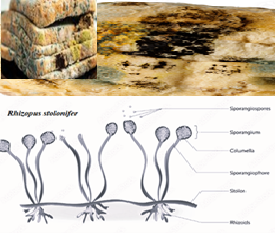
Characteristics and Structure of the Rhizopus.
Characteristics and Structure of the Rhizopus. Rhizopus is a fungus that lives on dead and decaying organic matter. It survives in a warm, humid environment with organic matter as its substrate. Rhizopus is whitish when it starts to grow and develops into a pale greyish mass as it matures, eventually becoming black. It is the…
-
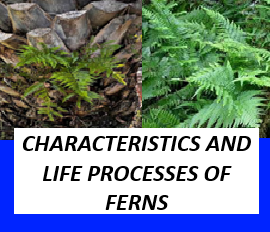
CHARACTERISTICS AND LIFE PROCESSES OF FERNS.
Follow to join WhatsApp Channel. CHARACTERISTICS AND LIFE PROCESSES OF FERNS. The fern body plan is divided into three main parts: frond (leaf), rhizome, and sporangium. The fronds are divided into smaller divisions called pinnae. On the underside of the pinnae are the sori, which are clusters of sporangia that produce spores for reproduction. The…
-
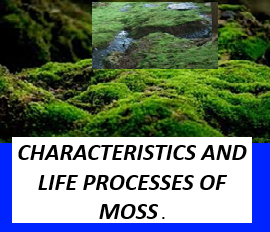
CHARACTERISTICS AND LIFE PROCESSES OF MOSSES
Follow to join WhatsApp Channel. CHARACTERISTICS AND LIFE PROCESSES OF MOSSES. Mosses are small, simple green, seedless, nonvascular plants called Bryophytes. They are simple plants because their roots, stems, and leaves lack a vascular bundle (xylem and phloem) and little or no strengthening tissue. Moss grows in clusters to enable them to conserve water. They…
-
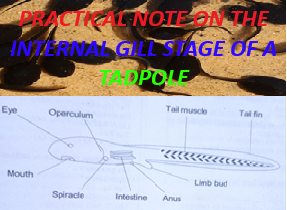
PRACTICAL NOTE ON THE INTERNAL GILL STAGE OF A TADPOLE
PRACTICAL NOTE ON THE INTERNAL GILL STAGE OF A TADPOLE. Habitat of a tadpole Slow-moving water Pond Freshwater stagnant water Reason for habitat: Streamlined body for easy movement (swimming) Tail fin for swimming Operculum Gills for gaseous exchange in water Features for locomotion Long tail with fin for forward propulsion Streamlined shape to provide reduced…
-
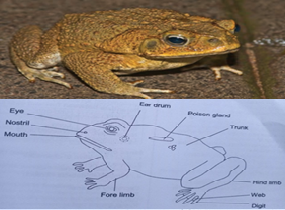
PRACTICAL NOTE ON TOAD (Bufo bufo)
PRACTICAL NOTE ON TOAD (Bufo bufo). Habitat: under stones logs under litter pond hole Reasons for habitat: Streamlined shape for swimming in water. Webbed digits in hind limbs for paddling in water Mode of Reproduction Sexual reproduction with oviparity Type of Fertilisation: External fertilisation Life Cycle: Complete metamorphosis BIOLOGICAL CLASSIFICATION Phylum Chordata Reasons: Presence of…
-
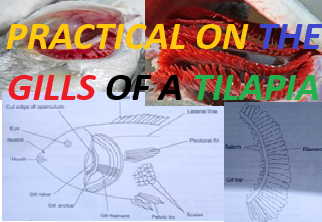
PRACTICAL ON THE GILLS OF A TILAPIA
PRACTICAL ON THE GILLS OF A TILAPIA #01 Cut the specimen transversely along the anterior point of attachment of the pelvic fin and discard the tail end portion. Carefully cut and remove the operculum on one side of the other portion with a sharp knife Make a drawing 8-10cm long of the side of the…
-
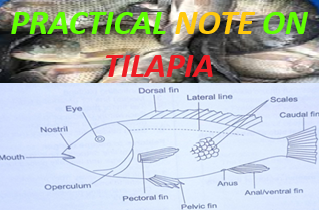
PRACTICAL NOTE ON TILAPIA (BONY FISH)
PRACTICAL NOTE ON TILAPIA (BONY FISH) Habitat: Pond, lake, lagoon streams estuarine Reasons for habitat: Possession of fins Possession of gills Presence of opercula Streamlined body Mode of reproduction: Sexual/oviparous/external fertilization, with parental care Biological Classification of Bony Fish Phylum Chordata Reasons Presence of notochord Presence of a dorsal hollow nerve cord Presence of pharyngeal…
-
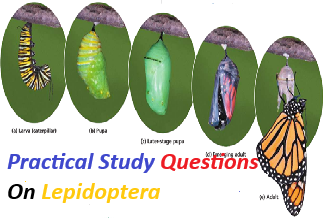
PRACTICAL STUDY QUESTIONS ON LEPIDOPTERA.
PRACTICAL STUDY QUESTIONS ON LEPIDOPTERA. Identify the specimen What is the common name of the specimen? State the Habitat of the specimen What is the Diet of the specimen State the method of feeding in the specimen What is the Position of the specimen in the food chain Name the adult stage of the specimen…
-
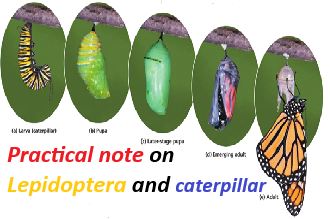
PRACTICAL NOTE ON BUTTERFLY (LEPIDOPTERA) AND CATERPILLAR.
PRACTICAL NOTE ON BUTTERFLY (LEPIDOPTERA) AND CATERPILLAR. BUTTERFLY Habitat of the butterfly; Flower Garden, Vegetation Field Life cycle is Complete metamorphosis Scientific Classification Phylum Arthropoda Reason: Presence of a chitinous exoskeleton Metameric segmentation Presence of jointed appendages attached to each segment. Bilaterally symmetrical Triploblastic coelomate Open circulation (haemocilic) Undergo moulting. Class Insecta Reason: Presence of…
-
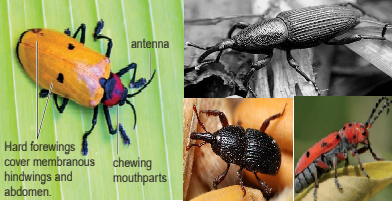
Test of Practical on Grain Weevil and Rhinoceros Beetle
Test of Practical on Grain Weevil and Rhinoceros Beetle. Weevils and rhinoceros beetles have short but pointed and strong mouthparts (rostrum) for boring a hole into grain. They have chewing mouth parts. The Life cycle of the weevil and rhinoceros beetle is a complete metamorphosis, and a larva is called a grub. Test of Practical…
-
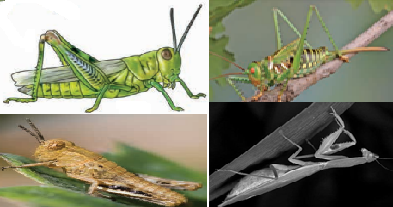
TEST OF PRACTICALS ON GRASSHOPPER AND PRAYING MANTIS.
TEST OF PRACTICALS ON GRASSHOPPER AND PRAYING MANTIS. SPECIMEN: FRESHLY PRESERVED GRASSHOPPER OR LOCUST. The mode of nutrition is holozoic, and the method of feeding is herbivorous. They feed on vegetation and could be either a primary consumer or a second trophic level. Animals that feed on grasshoppers in a food chain are lizards, fowl…
-
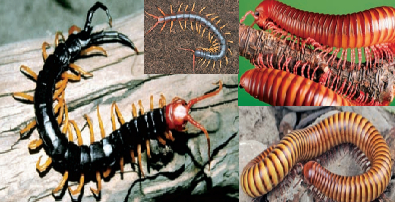
Test of Practical on Millipede and Centipede (Myriapoda).
Test of Practical on Millipede and Centipede (Myriapoda). SPECIMEN: FRESHLY PRESERVED CENTIPEDE IN A PETRI DISH Mode of nutrition is heterotrophic/Holozoic, and method of feeding is carnivorous (on insects, worms and spiders). Because of the presence of a pair of poison claws used to paralyse/capture prey (Insects, worms and spiders). The feature for feeding is…
-
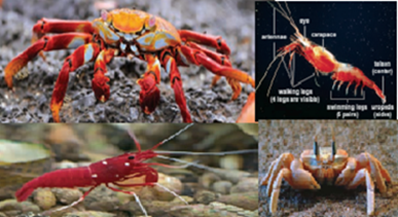
Test Practical on Prawn/Crayfish, Crab, and Woodlouse.
Test Practical on Prawn/Crayfish, Crab, and Woodlouse. SPECIMEN: FRESHLY PRESERVED PRAWN OR CRAYFISH. Habitat: Rivers or Swamps Ponds Lakes Feeding habit Herbivorous and Detritivorous. (feeds on green weeds and dead organic matter) Respiratory structure: Gills Biological classification; Phylum Arthropoda Reasons: Presence of chitinous exoskeleton Metameric segmentation Presence of jointed appendages attached to each segment. Bilaterally…
-
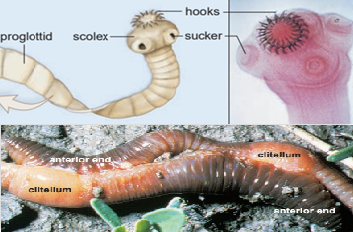
Test of Practical on Worms: Platyhelminthes (Tapeworm), Nematodes, And Annelids (Earthworm).
Test of Practical on Worms: Platyhelminthes (Tapeworm), Nematodes, And Annelids (Earthworm) SPECIMEN: Whole Tapeworm Freshly Preserved Identify Tapeworm Reasons: Presence of Scolex (Small head called scolex) Dorsoventrally flattened body Long tape-like body (ribbon-like body) Presence of progttides. Observable features of Tapeworm Scolex Four suckers Double row of hooks Dorsoventrally flattened body Long tape-like body Observable…
-
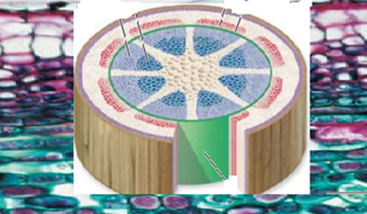
Test of Practical on Stem Anatomy of Dicotyledoneae and Monocotyledoneae Plants.
Test of Practical on Stem Anatomy of Dicotyledoneae and Monocotyledoneae Plants. Specimen of Study. TS of a permanent slide of a dicot stem, such as a Sida acuta TS of a temporary slide of the stem of Tridax mounted in water or dilute glycerin under the microscope TS of Tridax mounted in iodine solution or…
-
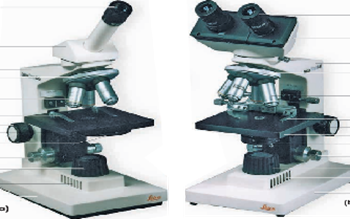
Steps to Prepare a Temporary Slide of a Sectioned Root or Stem.
Steps to Prepare a Temporary Slide of a Sectioned Root or Stem. A temporary slide is a microscope slide prepared with wet ingredients such as blood, pond water and distilled water. Preparing a temporary slide allows the observer to view any microscopic organisms present in the slide while they are still alive. The organisms will…
-
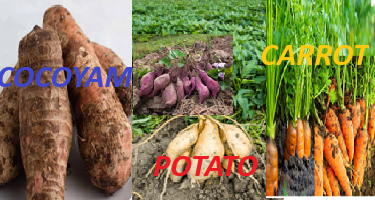
Biology practical note on Corm (cocoyam), Carrots (Daucus carota), and potato (Solanum tuberosum).
Corm (cocoyam), Carrots (Daucus carota), and potato (Solanum tuberosum). A corm is a short, vertical underground stem which grows vertically and is swollen with food. It has terminal buds that give rise to new aerial shoots, and axillary (lateral) buds give rise to a new corm Corms have nodes, and internodes and scale leaves arise…
-
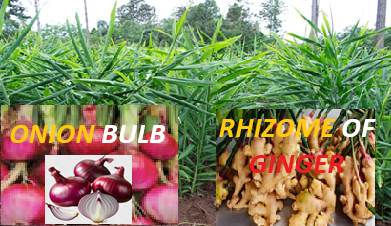
BIOLOGY PRACTICAL ON ONION BULB AND RHIZOME OF GINGER.
BIOLOGY PRACTICAL ON ONION BULB AND RHIZOME OF GINGER. Onion Bulb Habitat of the Specimen (onion bulb) School farm garden Examples of other plants with bulbs Garlic Spider lily. Biological classification of the Specimen (onion) Division Angiospermophyta Class Monocotyledoneae Reason for class; Leaves with parallel venation Agricultural classification of the Specimen (onion) Cash crop Food…
-
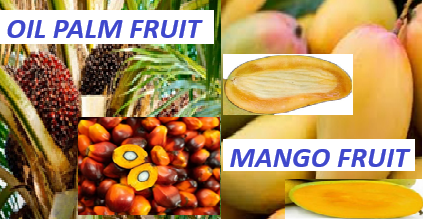
BIOLOGY PRACTICAL ON OIL PALM FRUIT AND MANGO FRUIT AS SPECIMENS.
BIOLOGY PRACTICAL ON OIL PALM FRUIT AND MANGO FRUIT AS SPECIMENS. Classify the specimen (oil palm fruit) A drupe because it has a stony endocarp and a fleshy mesocarp. Oil palm is a fleshy fruit because the mesocarp is fleshy at maturity True fruit because it develops from the ovary only Bracteolate fruit and simple…
-
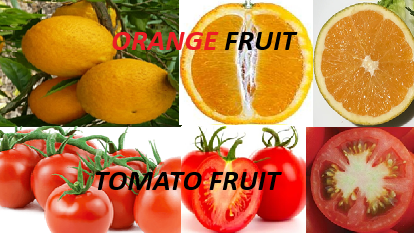
BIOLOGY PRACTICAL ON AN ORANGE AND A TOMATO FRUIT.
BIOLOGY PRACTICAL ON AN ORANGE AND A TOMATO FRUIT. ORANGE FRUIT An orange fruit is a true fruit formed from only the ovary of the flower and is a simple fruit. It is also a Berry Reasons: Has a thin outer epicarp Fleshy mesocarp Fleshy inner endocarp Numerous seeds. Observable features Bright colour of epicarp…
Search the Archives
Latest News

















You May Have Missed